Replacing Your Air Conditioning Unit: A Comprehensive Guide
Exploring the process of replacing your air conditioning unit, this introduction delves into the key aspects homeowners need to consider when undertaking this important task. From understanding the reasons for replacement to selecting the right unit and preparing for the installation, this guide offers valuable insights for a seamless transition to a new cooling system.
As we navigate through the different stages of replacing an air conditioning unit, readers will gain a deeper understanding of the process and be better equipped to make informed decisions regarding their home's comfort and efficiency.
Researching the Replacement Process
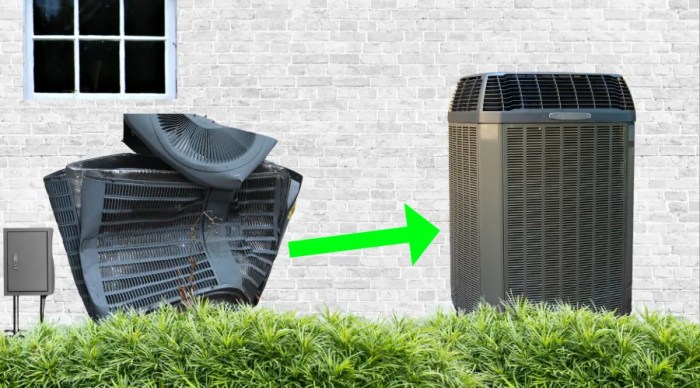
When considering the replacement of an air conditioning unit, it is essential to conduct thorough research to ensure a smooth and efficient process.
Reasons for Replacement
There are several key reasons why someone may need to replace their air conditioning unit:
- Age: Air conditioning units typically have a lifespan of 10-15 years, after which they may become less efficient and more prone to breakdowns.
- Constant Repairs: If your unit requires frequent repairs, it may be more cost-effective to replace it rather than continue to invest in repairs.
- Improved Energy Efficiency: Newer models are more energy-efficient, which can lead to cost savings on your utility bills.
Types of Air Conditioning Units
There are several types of air conditioning units available in the market for replacement:
- Central Air Conditioning: Provides cooling for the entire home through a system of ducts.
- Ductless Mini-Split: Ideal for homes without ductwork, providing individualized cooling for different zones.
- Window Air Conditioner: Fits into a window and cools a single room or small space.
Average Lifespan and Signs of Replacement
The average lifespan of an air conditioning unit is around 10-15 years. Signs that indicate it may need replacement include:
- Increasing energy bills despite regular maintenance.
- Inconsistent cooling or frequent breakdowns.
- Strange noises or unusual odors coming from the unit.
Importance of Hiring a Professional HVAC Technician
It is crucial to hire a professional HVAC technician for replacing an air conditioning unit because:
- Expertise: HVAC technicians have the knowledge and experience to properly install and set up the new unit.
- Safety: Working with refrigerants and electrical components can be dangerous, so it's best left to trained professionals.
- Warranty: Professional installation ensures that the warranty on the new unit remains valid, protecting your investment.
Selecting a New Air Conditioning Unit

When it comes to selecting a new air conditioning unit for replacement, there are several factors to consider to ensure you choose the right one for your needs.
Types of Air Conditioning Units
- Central Air Conditioning: Ideal for cooling large spaces efficiently, but requires ductwork installation.
- Ductless Mini-Split Systems: Perfect for smaller spaces or homes without ductwork, providing individual room control.
- Portable Air Conditioners: Easy to move around and install, suitable for temporary cooling solutions.
Calculating Size and Capacity
Calculating the right size and capacity of a new air conditioning unit is crucial for optimal performance. To determine this, you need to consider the square footage of the area to be cooled and factors like insulation, windows, and ceiling height.
Energy Efficiency Ratings (SEER)
- SEER ratings indicate the energy efficiency of an air conditioning unit, with higher ratings signifying better efficiency.
- Look for units with a higher SEER rating to save on energy costs in the long run.
Selecting a Reputable Brand
- Research and compare different brands to find one with a good reputation for quality and reliability.
- Read reviews from customers and consider warranties and customer support offered by the manufacturer.
Preparing for the Replacement Process

When getting ready for the replacement process of your air conditioning unit, there are several important steps to take to ensure a smooth transition.
Checklist of Items Homeowners Need to Prepare
Before the installation of a new air conditioning unit, homeowners should prepare the following:
- Ensure the new unit is delivered and ready for installation on the scheduled day.
- Clear the work area around the existing unit to provide easy access for technicians.
- Turn off the power to the existing unit to ensure safety during the removal process.
- Prepare a designated disposal or recycling area for the old unit.
- Have any necessary permits or paperwork ready for the installation process.
Steps in Removing the Old Air Conditioning Unit Safely
To safely remove the old air conditioning unit, follow these steps:
- Turn off the power to the unit at the main electrical panel.
- Disconnect any electrical connections to the unit.
- Remove any screws or bolts securing the unit in place.
- Carefully lift and remove the old unit from its location.
- Dispose of any refrigerant properly according to regulations.
Importance of Proper Disposal or Recycling of the Old Unit
Proper disposal or recycling of the old air conditioning unit is crucial for environmental reasons. Many components of the unit can be recycled, reducing waste and preventing harmful chemicals from entering the environment.
Preparing the Installation Area for the New Air Conditioning Unit
Before the installation of the new unit, ensure the area is ready by:
- Cleaning the installation area to remove debris or obstructions.
- Checking that the area has proper ventilation and airflow for the new unit.
- Ensuring there is adequate space for the new unit and any required ductwork or piping.
- Double-checking the electrical connections and power source for the new unit.
Installing the New Air Conditioning Unit

When it comes to installing a new air conditioning unit, there are several important steps to follow to ensure optimal performance and safety. Proper placement and positioning of the unit play a crucial role in its efficiency and longevity. Additionally, being aware of common challenges during the installation process and taking necessary safety precautions are key factors to consider.
Proper Placement and Positioning
- Ensure that the new air conditioning unit is placed in a shaded area to prevent overheating and increase energy efficiency.
- Position the unit away from any obstructions such as furniture, curtains, or plants to allow for proper airflow.
- Keep the unit level and stable to prevent vibrations and noise disturbances.
- Consult the manufacturer's guidelines for specific placement recommendations based on the type of unit you have.
Common Installation Challenges and Solutions
- Improper sizing of the unit may lead to inefficiency and increased energy costs. Ensure that the new unit is properly sized for the space it will be cooling.
- Leaky ducts or inadequate insulation can affect the performance of the new air conditioning unit. Address any ductwork issues before installation.
- Electrical wiring errors can pose a safety hazard. It is recommended to hire a professional electrician to handle the electrical connections during installation.
- Inadequate airflow due to blocked vents or dirty filters can reduce the unit's efficiency. Regularly clean and maintain the filters to ensure proper airflow.
Safety Precautions during Installation
- Turn off the power supply to the area where the installation will take place to prevent electrical accidents.
- Wear appropriate safety gear such as gloves and goggles when handling the unit to avoid injuries.
- Follow the manufacturer's instructions carefully to avoid damaging the unit or voiding the warranty.
- If you are unsure about any aspect of the installation process, it is best to seek professional help to ensure a safe and successful installation.
Final Conclusion

In conclusion, replacing your air conditioning unit is a significant investment that can greatly impact your home's comfort and energy efficiency. By following the steps Artikeld in this guide, you can ensure a smooth transition to a new unit that meets your needs and enhances your living space.
Stay cool and comfortable all year round with a well-functioning air conditioning system.
Essential FAQs
What are the signs that indicate my air conditioning unit needs replacement?
If your unit is over 10-15 years old, requires frequent repairs, or is not cooling your home effectively, it may be time for a replacement.
How do I calculate the right size and capacity needed for a new air conditioning unit?
You can consult with an HVAC professional who can perform a load calculation based on factors like square footage, insulation, and climate to determine the appropriate size.
What are some common challenges that may arise during the installation process?
Challenges like insufficient ductwork, electrical issues, or improper unit sizing can impact the installation process. Working with a professional can help mitigate these challenges.