The Ultimate Guide to HVAC System Installation
Embark on a journey into the world of HVAC system installation, where we unravel the intricacies of setting up a seamless heating, ventilation, and air conditioning system. From understanding the critical components to ensuring a safe and efficient installation process, this guide has you covered.
Delve deeper into the pre-installation preparations, the actual installation process, and the crucial testing and commissioning phase to guarantee optimal performance. Let's dive in!
Overview of HVAC System Installation

When it comes to HVAC system installation, several components play a crucial role in ensuring optimal performance and efficiency. These components typically include the furnace, air conditioner, ductwork, thermostat, vents, and insulation. Each of these elements must be installed correctly to guarantee the smooth operation of the HVAC system.
Proper installation is essential for the efficient functioning of an HVAC system. If any component is installed incorrectly or poorly, it can lead to reduced system efficiency, increased energy consumption, and frequent breakdowns. Additionally, improper installation can compromise indoor air quality and overall comfort levels in a building.
Importance of Proper Installation
- Ensures proper airflow and distribution of heating or cooling throughout the building.
- Prevents energy wastage and reduces utility bills by ensuring the system operates at peak efficiency.
- Minimizes the risk of system malfunctions and breakdowns, extending the lifespan of the HVAC equipment.
- Improves indoor air quality by preventing leaks and ensuring adequate ventilation.
Typical Timeline for HVAC System Installation
The timeline for completing an HVAC system installation project can vary depending on various factors such as the size of the building, complexity of the system, and availability of materials. However, a typical HVAC installation project may take anywhere from a few days to a few weeks to complete.
Here is a general breakdown of the timeline:
- Initial assessment and planning: 1-2 days
- Equipment delivery and preparation: 1-2 days
- Installation of components: 2-5 days
- Testing and commissioning: 1-2 days
- Final inspection and adjustments: 1 day
Pre-Installation Preparation

Before beginning the installation of an HVAC system, it is crucial to assess the area where the system will be installed, determine the appropriate size and capacity needed, and make any necessary upgrades or modifications. This pre-installation preparation ensures a smooth and efficient installation process.
Assessing the Area for Installation
When assessing the area for HVAC system installation, consider factors such as the size of the space, layout, insulation, and ventilation. Ensure there is proper space for the unit, ductwork, and any required components. Evaluate existing ductwork and electrical connections to determine if any adjustments are needed for the new system.
Determining Size and Capacity
To determine the appropriate size and capacity of the HVAC system needed, calculate the heating and cooling load of the space. Factors such as square footage, ceiling height, number of windows, insulation, and climate conditions play a role in this calculation.
Consult with a professional HVAC technician to perform a load calculation and recommend the right size system for optimal efficiency.
Upgrades and Modifications
Before installation begins, it may be necessary to make upgrades or modifications to the existing infrastructure. This could include upgrading electrical wiring, reinforcing support for the unit, or improving insulation for better energy efficiency. Addressing these upgrades beforehand will prevent any issues during installation and ensure the system operates effectively.
Installation Process

When it comes to installing an HVAC system, there are several key steps involved to ensure everything is properly connected and configured. Following best practices for safety is crucial throughout the installation process.
Connecting and Configuring Components
- Begin by installing the indoor unit, making sure it is securely mounted and level.
- Next, connect the indoor unit to the outdoor unit using refrigerant lines, ensuring a proper seal to prevent leaks.
- Install and configure the ductwork to ensure proper airflow throughout the system, making sure it is insulated to prevent energy loss.
- Connect the electrical wiring according to the manufacturer's specifications, ensuring all connections are secure and grounded.
- Install the thermostat and configure it to communicate with the HVAC system for optimal performance.
Ensuring Safety
- Always turn off the power supply before beginning any installation work to prevent electrical accidents.
- Use proper safety equipment, such as gloves and goggles, when handling refrigerant or working with sharp tools.
- Ensure proper ventilation when working with HVAC components to avoid exposure to harmful fumes or gases.
- Follow all local building codes and regulations to ensure the installation is done safely and up to standard.
Testing and Commissioning

After the HVAC system installation is completed, thorough testing and commissioning are essential to ensure optimal performance and efficiency. This process involves checking for leaks, verifying proper airflow, and assessing overall system functionality.
Procedures for Testing the HVAC System
- Conduct a visual inspection of all components to ensure they are properly installed and connected.
- Perform pressure tests to check for any leaks in the system, including ductwork and connections.
- Test the airflow in each room to ensure consistent distribution of air throughout the space.
- Calibrate the thermostat and sensors to ensure accurate temperature control.
Checking for Leaks, Airflow, and Functionality
- Use a smoke pencil or thermal imaging camera to detect any air leaks around ductwork, vents, and connections.
- Measure airflow at supply and return vents to ensure proper circulation and ventilation.
- Test the heating and cooling functions of the system to verify that they are working correctly.
Importance of Commissioning
Commissioning the HVAC system is crucial to ensure that it operates as intended and meets the design specifications. This process involves fine-tuning the system, verifying performance, and optimizing energy efficiency. Proper commissioning can help identify and address any issues early on, preventing costly repairs and improving overall system reliability.
Final Conclusion
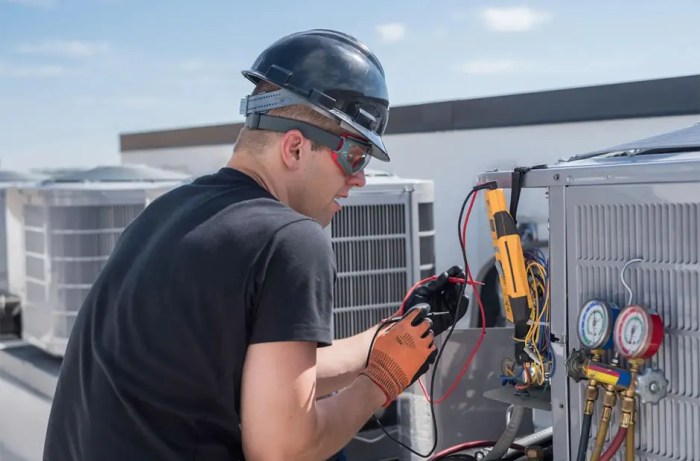
As we conclude this comprehensive discussion on HVAC system installation, remember that a well-installed system is the key to a comfortable and energy-efficient indoor environment. By following the best practices Artikeld here, you're on your way to enjoying the benefits of a perfectly installed HVAC system.
Questions Often Asked
What are the common components involved in an HVAC system installation?
Common components include the furnace, air conditioner, thermostat, ductwork, and vents.
Why is proper installation important for an HVAC system?
Proper installation ensures efficient operation, energy savings, and longevity of the system.
How can I assess the area for HVAC system installation?
Assessment involves checking for adequate space, ventilation, and electrical requirements.
What is commissioning in HVAC system installation?
Commissioning involves testing and verifying that the system operates as designed and meets performance standards.