Choosing the Right Air Conditioner Installation for Your Home
Embarking on the journey of air conditioner installation opens up a world of possibilities, each type offering unique benefits and challenges. From window units to central systems, the options are vast and varied, promising a cool and comfortable atmosphere in your space.
Before diving into the installation process, it's crucial to understand the factors that influence the choice of air conditioner and how they impact the overall effectiveness of the unit.
Types of Air Conditioners
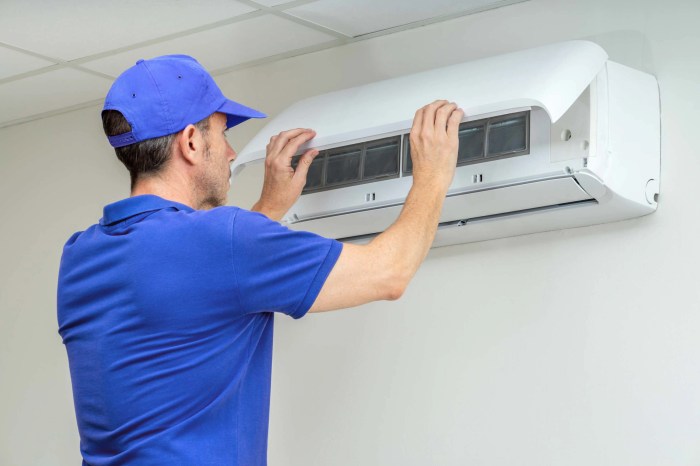
When it comes to air conditioners, there are several types available, each with its own set of advantages and disadvantages. Let's take a look at the most common types: window, split, portable, and central air conditioning units.
Window Air Conditioners
Window air conditioners are typically installed in a window opening and are a popular choice for single rooms. They are relatively easy to install and are cost-effective. However, they can be noisy and may obstruct natural light from entering the room.
Split Air Conditioners
Split air conditioners consist of two unitsan indoor unit and an outdoor unit. The indoor unit is mounted on a wall or ceiling, while the outdoor unit is placed outside the building. Split ACs are quieter than window units and provide more even cooling.
Installation can be more complex and may require professional help.
Portable Air Conditioners
Portable air conditioners are easy to move around and do not require any permanent installation. They are ideal for cooling specific areas or rooms. However, they are less efficient than window or split units and may need to be vented through a window or wall.
Central Air Conditioning Units
Central air conditioning units are designed to cool an entire home or building through a system of ducts. They provide consistent cooling throughout the space and are energy-efficient. However, installation can be expensive and may require professional installation.
Factors to Consider Before Installation

Before installing an air conditioner, there are several key factors that need to be carefully considered to ensure optimal performance and efficiency.Proper sizing is crucial when choosing an air conditioner. An undersized unit will struggle to cool the space effectively, while an oversized unit can lead to temperature fluctuations and increased energy consumption.
It is important to calculate the cooling capacity needed based on the size of the room, insulation levels, and other factors.Insulation plays a significant role in the efficiency of an air conditioning system. Poor insulation can result in energy wastage and reduced cooling effectiveness.
Ensuring proper insulation in walls, ceilings, and windows can help maintain a comfortable indoor temperature and reduce the workload on the air conditioner.Ductwork should also be evaluated before installation. Leaks or gaps in ducts can lead to air loss and decreased efficiency.
It is essential to inspect the ductwork for any issues and make necessary repairs or modifications to optimize air distribution throughout the space.Electrical requirements must be taken into account to ensure the air conditioner operates safely and efficiently. It is important to have the appropriate electrical wiring and outlets in place to support the unit's power needs.
Consulting with a professional electrician can help determine if any upgrades are necessary.The layout and orientation of the space can impact the installation process. Factors such as the location of windows, doors, and vents can affect airflow and temperature distribution.
Understanding the layout of the space can guide the placement of the air conditioner for optimal performance.
Sizing
Proper sizing of the air conditioner is crucial for efficient cooling. An HVAC professional can perform a load calculation to determine the appropriate cooling capacity needed for the space.
Insulation
Good insulation helps maintain a consistent indoor temperature and reduces the workload on the air conditioner. Consider upgrading insulation in walls, ceilings, and attics for better energy efficiency.
Ductwork
Inspect ductwork for leaks or blockages before installation. Properly sealed and insulated ducts ensure efficient air distribution throughout the space.
Electrical Requirements
Ensure the electrical system can support the air conditioner's power needs. Upgrades may be necessary to accommodate the unit's electrical requirements.
Layout and Orientation
Take into account the layout and orientation of the space when positioning the air conditioner. Consider factors like sunlight exposure, airflow, and obstacles that may impact cooling efficiency.
Installation Process

Installing an air conditioner requires careful preparation and attention to detail. Here is a step-by-step guide to help you through the process.
Site Preparation
Before installing the air conditioner, make sure to choose a suitable location. The site should be free from obstructions and have proper ventilation. Use mounting brackets to secure the unit in place and ensure stability. Proper placement is essential for efficient operation.
Electrical Connections
Start by turning off the power supply to avoid any accidents. Connect the air conditioner to the designated power source following the manufacturer's instructions. It is crucial to ensure that the electrical connections are secure and correctly installed to prevent any electrical issues in the future.
Refrigerant Lines
Carefully connect the refrigerant lines according to the specifications provided by the manufacturer. Proper installation of these lines is essential for the air conditioner to function correctly and maintain optimal cooling performance.
Drainage Setup
Establish a drainage system to remove condensation from the air conditioner effectively. Ensure that the drainage pipes are properly installed and free from any blockages. Proper drainage setup prevents water damage and ensures the longevity of your air conditioning unit.
Common Installation Challenges

During air conditioner installation, several challenges may arise that can complicate the process. It is essential to be aware of these common issues and know how to address them effectively.
Compatibility Issues
One of the most common challenges during air conditioner installation is compatibility issues. This occurs when the new unit is not compatible with the existing ductwork or electrical system.
- Check the specifications of the new unit and ensure it matches the requirements of your home.
- If compatibility issues arise, consider hiring a professional to make the necessary modifications.
- Consult with an HVAC technician to find the best solution for your specific situation.
Space Constraints
Another challenge is dealing with space constraints, especially in smaller homes or apartments where there is limited room for installation.
- Measure the available space accurately before purchasing a new unit.
- Consider alternative placement options or compact models that can fit in tight spaces.
- Consult with an expert to determine the best placement for optimal performance.
Ductwork Modifications
Modifying ductwork can be a complex and challenging task during installation, especially if the existing ducts are old or in poor condition.
- Inspect the ductwork for any leaks, blockages, or damage that may affect the efficiency of the new system.
- Consider replacing or repairing the ductwork to ensure proper airflow and distribution of cool air.
- Hire a professional HVAC technician to assess the ductwork and make necessary modifications for a seamless installation.
Importance of Hiring a Professional
While some installation challenges can be tackled by DIY enthusiasts, it is crucial to recognize the importance of hiring a professional for complex installations.
- Professional technicians have the expertise and experience to handle compatibility issues, space constraints, and ductwork modifications effectively.
- They can ensure that the installation is done correctly, preventing future problems and maximizing the efficiency of your air conditioning system.
- By hiring a professional, you can have peace of mind knowing that your unit is installed safely and efficiently.
Concluding Remarks

As we conclude our exploration of air conditioner installation, it's clear that the key lies in meticulous planning and execution. By considering the various types, important factors, and potential challenges, you can ensure a seamless and efficient installation process that keeps you cool all year round.
FAQ Summary
What is the best type of air conditioner for a small room?
The best type would be a portable air conditioner as it provides flexibility and doesn't require installation like a window or split unit.
How important is proper sizing when installing an air conditioner?
Proper sizing is crucial as an undersized unit won't cool effectively, while an oversized one will cycle on and off frequently, wasting energy.
Can I install an air conditioner myself or should I hire a professional?
While small window units can be DIY, larger units like splits or central air systems should be installed by professionals to ensure safety and efficiency.