Understanding AC Repair Costs: A Complete Guide
Exploring the world of AC repair costs opens up a realm of possibilities, shedding light on the factors that influence pricing and the average costs of common repairs. From DIY solutions to professional services, this guide delves into strategies to minimize expenses while ensuring optimal performance.
Delve deeper into the nuances of AC repair costs, uncovering essential insights that can help you navigate the realm of HVAC maintenance with confidence.
Factors influencing AC repair costs

When it comes to AC repair costs, several factors come into play that can significantly impact the overall price you might pay for the service. Understanding these factors can help you better navigate the repair process and make informed decisions.
1. Type of repair needed
The specific type of repair required for your AC unit can have a direct impact on the cost. For example, simple fixes like replacing a capacitor or cleaning the coils may be relatively inexpensive, while more complex repairs such as fixing a refrigerant leak or replacing a compressor can be much costlier.
2. Age and condition of the unit
The age and condition of your AC unit can also influence repair costs. Older units or ones that have not been properly maintained may require more extensive repairs, leading to higher costs. Additionally, if certain parts of the unit are no longer manufactured or readily available, it can drive up the price of repairs.
3. Labor and service fees
The labor and service fees charged by HVAC technicians can vary based on factors like location, time of day, and the complexity of the repair. Some technicians may charge a flat rate for service calls, while others may charge by the hour.
It's essential to consider these fees when budgeting for AC repairs.
4. Replacement parts
The cost of replacement parts needed for the repair can also impact the overall cost. High-quality parts or components from well-known brands may come at a premium price, while generic or aftermarket parts may be more budget-friendly. The type and brand of parts used can influence the longevity and effectiveness of the repair.
5. Emergency repairs
In emergency situations where your AC unit breaks down unexpectedly, you may end up paying more for repairs due to the urgency of the service. Emergency service calls outside of regular business hours or during weekends and holidays can incur additional fees, adding to the total cost of the repair.
Average cost of common AC repairs
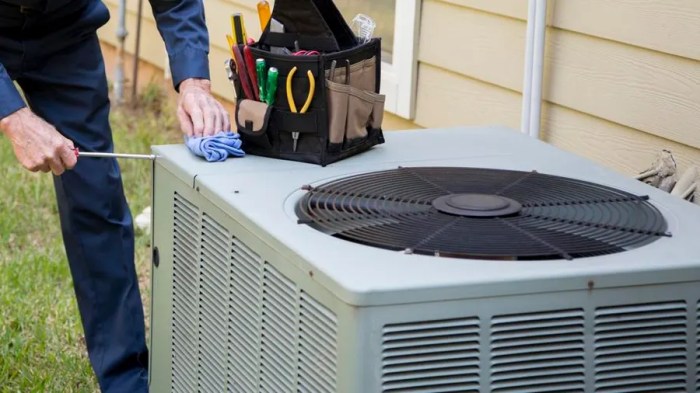
When it comes to common AC repairs, it's essential to understand the average costs involved. Different repairs can vary significantly in price, depending on the complexity of the issue and the parts needed for the repair. Below, we'll explore the average cost range for common AC repairs and discuss the reasons behind the price variations.
Refrigerant Leak Repair
Repairing a refrigerant leak in an AC system is a common issue that can affect the cooling efficiency of the unit. On average, the cost of repairing a refrigerant leak ranges from $200 to $1,500. The price can vary based on the severity of the leak, the type of refrigerant used, and the accessibility of the leak in the system.
Additional charges may apply for refilling the refrigerant and labor costs.
Compressor Replacement
The compressor is a crucial component of an AC system, responsible for circulating the refrigerant and maintaining the cooling process. The average cost of replacing a compressor in an AC unit can range from $1,200 to $2,800. The price variation is influenced by factors such as the brand and model of the compressor, the size of the unit, and the complexity of the installation process.
Additional fees may apply for refrigerant evacuation, disposal of the old compressor, and labor costs.
Condenser Coil Replacement
Replacing a condenser coil in an AC unit is another common repair that can impact the system's performance. The average cost of replacing a condenser coil ranges from $900 to $2,400. Factors affecting the price include the size and material of the coil, the brand of the unit, and the extent of damage to the existing coil.
Additional charges may apply for refrigerant recovery, disposal of the old coil, and labor costs.
Thermostat Replacement
A faulty thermostat can lead to temperature inconsistencies and inefficiencies in an AC system. The average cost of replacing a thermostat in an AC unit is around $150 to $300. The price may vary based on the type of thermostat required, the brand of the unit, and the complexity of the installation process
Additional fees could apply for calibration of the new thermostat and labor costs.
Ductwork Repair
Issues with ductwork, such as leaks or blockages, can impact the airflow and efficiency of an AC system. The average cost of ductwork repair ranges from $350 to $1,000, depending on the extent of the damage, the size of the ductwork, and the accessibility of the affected areas.
Additional charges may apply for duct sealing, insulation replacement, and labor costs.
DIY vs. Professional Repair Costs

When it comes to AC repairs, homeowners often face the decision of whether to tackle the repairs themselves or hire a professional. This decision can greatly impact the overall cost of the repair, so it's important to weigh the pros and cons of each option.DIY repairs may seem cost-effective at first since you won't have to pay for labor.
However, there are risks involved, especially if you lack the necessary skills and knowledge. Incorrectly diagnosing the issue or making a mistake during the repair process can end up costing you more in the long run.On the other hand, hiring a professional may come with a higher upfront cost due to labor fees.
But professionals have the expertise to accurately diagnose and fix the problem, potentially saving you money on unnecessary repairs or replacements. They also often provide warranties on their work, giving you peace of mind in case issues arise.
When to Hire a Professional
- Complex Repairs: If the repair involves complicated technical components or requires specialized tools, it's best to leave it to the professionals.
- Safety Concerns: If the repair poses safety risks, such as dealing with electrical components or refrigerant leaks, it's safer to hire a professional who knows how to handle these situations.
- Warranty Coverage: If your AC unit is still under warranty, attempting a DIY repair could void the warranty. Hiring a professional ensures that the repair is done correctly and maintains the warranty coverage.
Strategies to minimize AC repair costs

When it comes to reducing AC repair costs, there are several strategies that homeowners can implement to ensure their cooling systems are running efficiently and effectively. By taking preventive maintenance measures, finding affordable repair services, and prioritizing regular maintenance, you can lower the overall expenses associated with AC repairs.
Preventive Maintenance Measures
One of the most effective ways to minimize AC repair costs is by implementing preventive maintenance measures. This includes regularly changing air filters, cleaning coils, checking refrigerant levels, and ensuring proper airflow. By keeping your AC system well-maintained, you can reduce the likelihood of costly repairs due to neglect or wear and tear.
Finding Affordable Repair Services
When searching for AC repair services, it's important to look for options that are both affordable and high-quality. Consider getting quotes from multiple providers, asking for referrals from friends or family, and checking online reviews to find reputable and reasonably priced technicians.
Don't compromise on quality for a lower price, but rather seek out a balance between affordability and expertise.
Regular Maintenance for Long-Term Savings
Regular maintenance is key to lowering long-term AC repair expenses. By scheduling annual tune-ups and inspections with a professional HVAC technician, you can catch minor issues before they escalate into major repairs. Investing in regular maintenance can help prolong the lifespan of your AC system and prevent costly breakdowns, ultimately saving you money in the long run.
Final Wrap-Up

In conclusion, managing AC repair costs effectively involves understanding the key elements that impact pricing and exploring cost-effective solutions tailored to your needs. By implementing preventive measures and seeking reliable services, you can ensure your AC system operates smoothly without breaking the bank.
Frequently Asked Questions
What factors can influence AC repair costs?
Factors such as the type of repair needed, the age of the system, and the availability of parts can all impact AC repair costs.
What are the average costs for common AC repairs?
The average cost range for common AC repairs like refrigerant leaks or compressor replacements can vary from $200 to $1500, depending on the complexity of the issue.
Is DIY AC repair cost-effective compared to hiring a professional?
While DIY repairs may seem cheaper upfront, hiring a professional ensures proper diagnosis and long-term solutions, which can be more cost-effective in the long run.
How can I minimize AC repair costs?
Regular maintenance, finding affordable repair services, and addressing issues promptly can all help reduce AC repair costs over time.